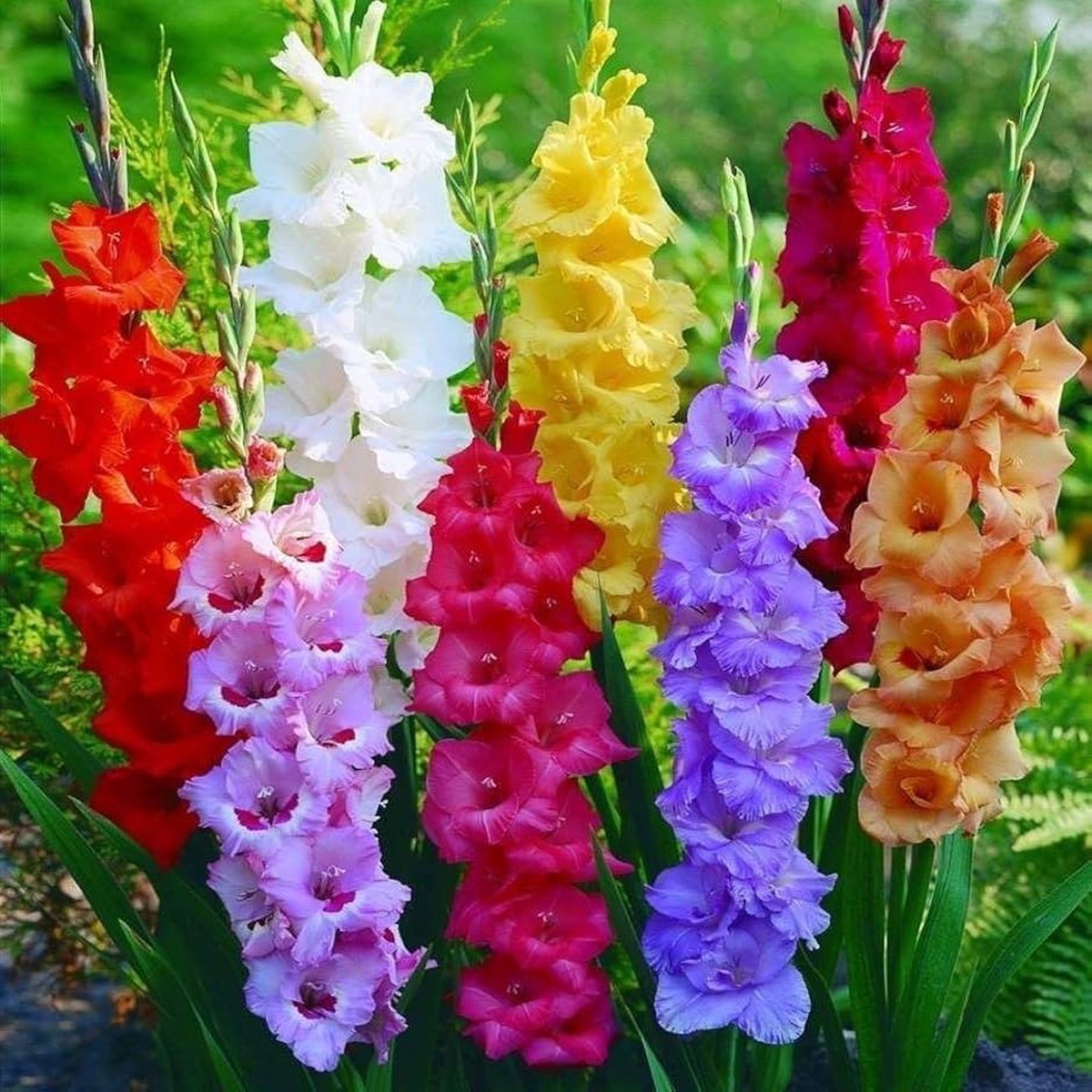
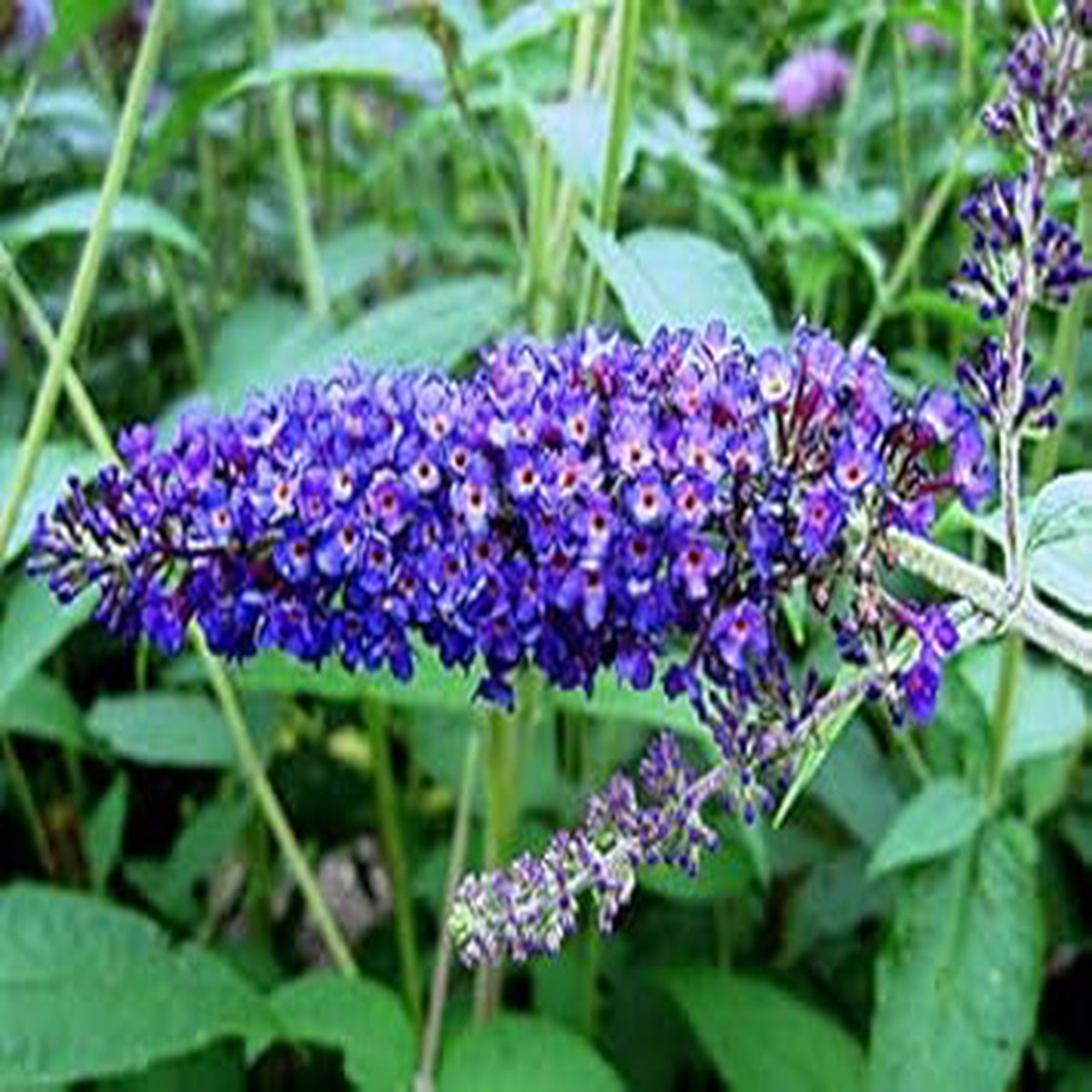
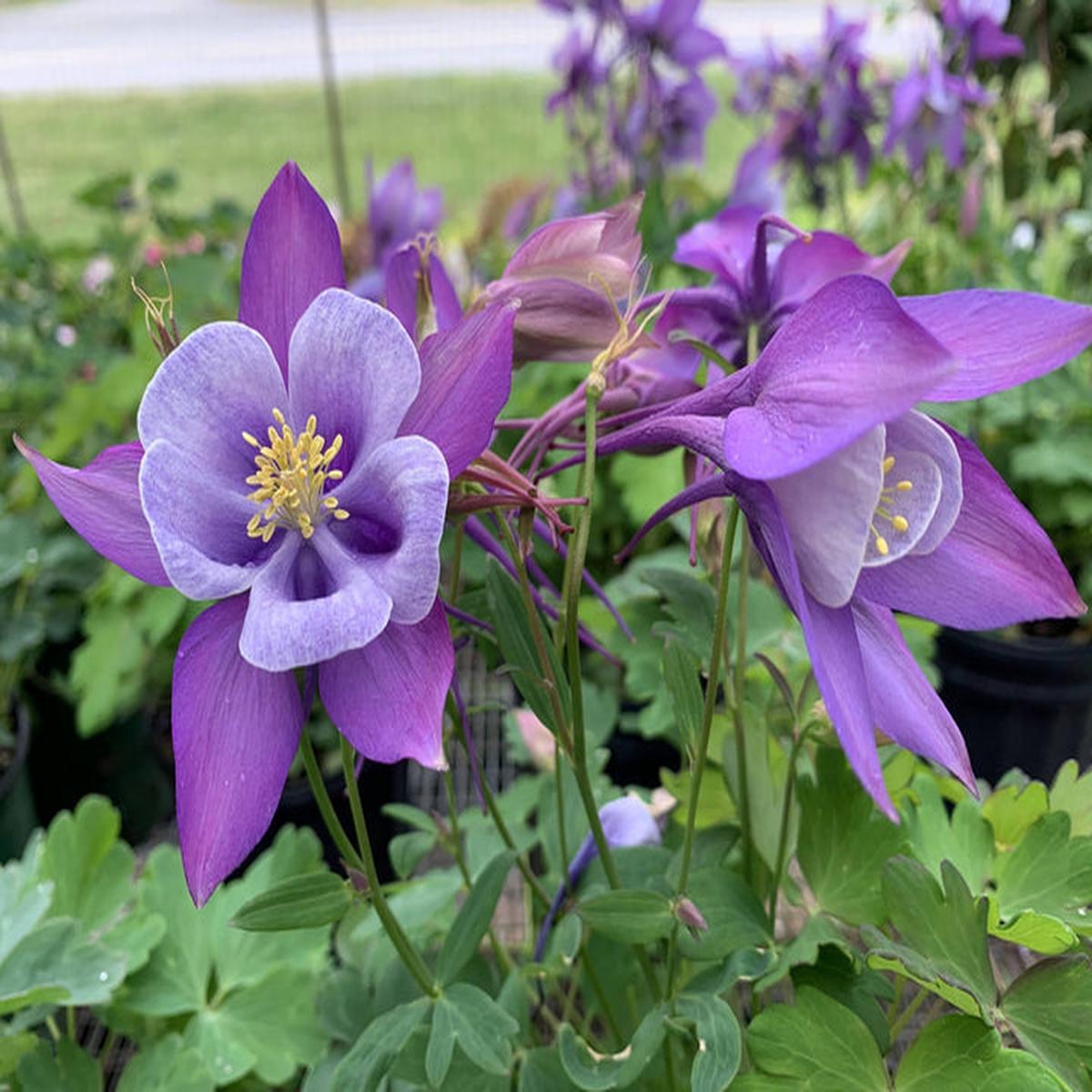
Mountain Phlox is a hardy perennial that produces clusters of colorful, star-shaped flowers in shades of pink, purple, and white. It is native to rocky hillsides and open woodlands, making it an excellent choice for wildflower meadows or naturalistic landscaping. Known for its long-lasting blooms, Mountain Phlox is perfect for attracting pollinators and brightening up garden beds.
Growing Conditions for Mountain Phlox
Light Requirements: Full sun to partial shade
Soil Type: Well-drained, rocky or loamy soil
Soil pH: Neutral to slightly acidic
Temperature: Tolerates a range of temperatures, preferring cooler climates
Spacing: 1218 inches apart
Planting Tips for Mountain Phlox
Sow seeds in spring after the last frost or start indoors 68 weeks before the last frost
Plant in full sun or partial shade for the best flowering
Provide well-draining soil to prevent root rot
Watering Instructions and Tips
Mountain Phlox prefers moderate moisture. Water when the top inch of soil feels dry, but avoid overwatering to keep the soil from becoming soggy.
Growing Zones
USDA Zones: 49
Global Zones: Temperate regions
Key Benefits & Uses
Attracts pollinators like bees and butterflies
Beautiful ground cover with vibrant flowers
Low-maintenance and hardy in various growing conditions
Best Uses in the Garden & Landscape
Perfect for wildflower gardens, meadows, and rock gardens
Can be used as ground cover or edging in garden beds
Great for planting along walkways or in mixed perennial borders
Conclusion
Mountain Phlox is an excellent choice for any garden, offering beautiful flowers and attracting pollinators while being easy to care for.
FAQ
How long do Mountain Phlox plants live?
Mountain Phlox is a perennial, meaning it will return year after year if properly cared for.
Can Mountain Phlox tolerate drought?
Once established, Mountain Phlox is fairly drought-tolerant, but it performs best with regular moisture during dry periods.
Only logged in customers who have purchased this product may leave a review.

 -20%