Characteristics and Uses of Galanthus Nivalis Plants
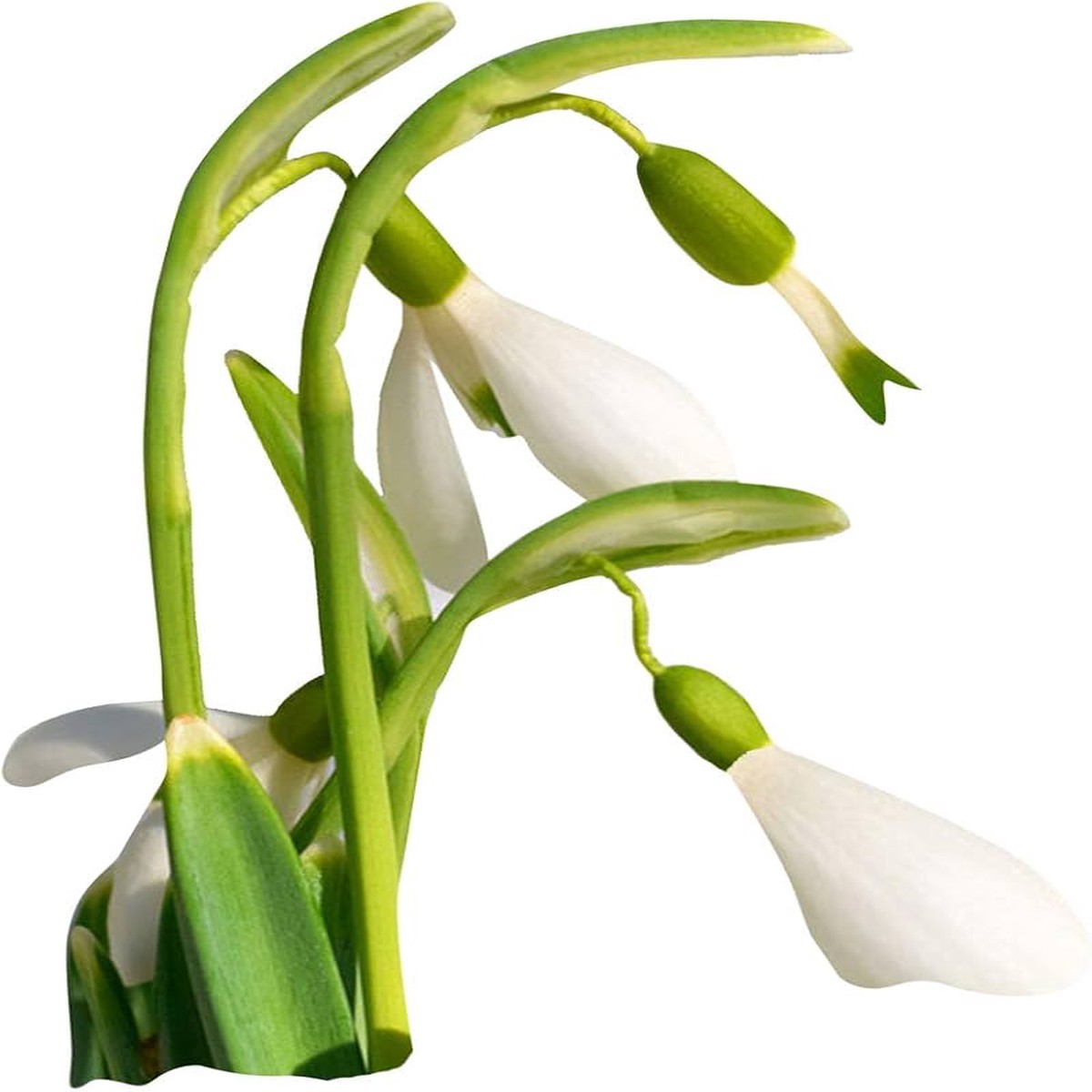
Galanthus Nivalis, commonly known as the Snowdrop, is one of the earliest flowering plants to bloom in the spring. These delicate, white flowers are a symbol of renewal and hope, making them a popular choice in early spring gardens. Their small, nodding blooms and grass-like foliage bring beauty to gardens, rockeries, and woodland areas.
Growing Conditions for Galanthus Nivalis Plants
Light Requirements: Full to partial shade
Soil Type: Well-draining, slightly acidic soil
Temperature: Prefers cool to moderate temperatures
Humidity: Moderate to high humidity
Planting Tips for Galanthus Nivalis Plants
Plant bulbs or seeds in the fall for spring blooms.
Space bulbs or seeds 34 inches apart in well-draining soil.
Watering Instructions and Tips
Water lightly after planting to help with root establishment.
Keep the soil moist but not waterlogged.
Growing Zones
USDA Zones: 39
Global Zones: Suitable for temperate regions
Key Benefits & Uses
Early spring bloomer that signals the end of winter
Perfect for naturalizing in woodlands or gardens
Best Uses in the Garden & Landscape
Ideal for planting under trees or in woodland gardens
Great for adding early-season color to garden beds and borders
Conclusion
With Galanthus Nivalis Seed Common Snowdrop, you can enjoy one of the first signs of spring, as these charming white flowers bloom early in the season. A wonderful addition to any garden, these Snowdrops bring joy and renewal after the long winter months.
FAQ
How do I plant Galanthus Nivalis from seeds?
Plant the seeds or bulbs in well-draining, slightly acidic soil in a shaded area. Plant in the fall for spring blooms.
When do Galanthus Nivalis bloom?
Only logged in customers who have purchased this product may leave a review.

 -20%