PRODUCT DETAILS
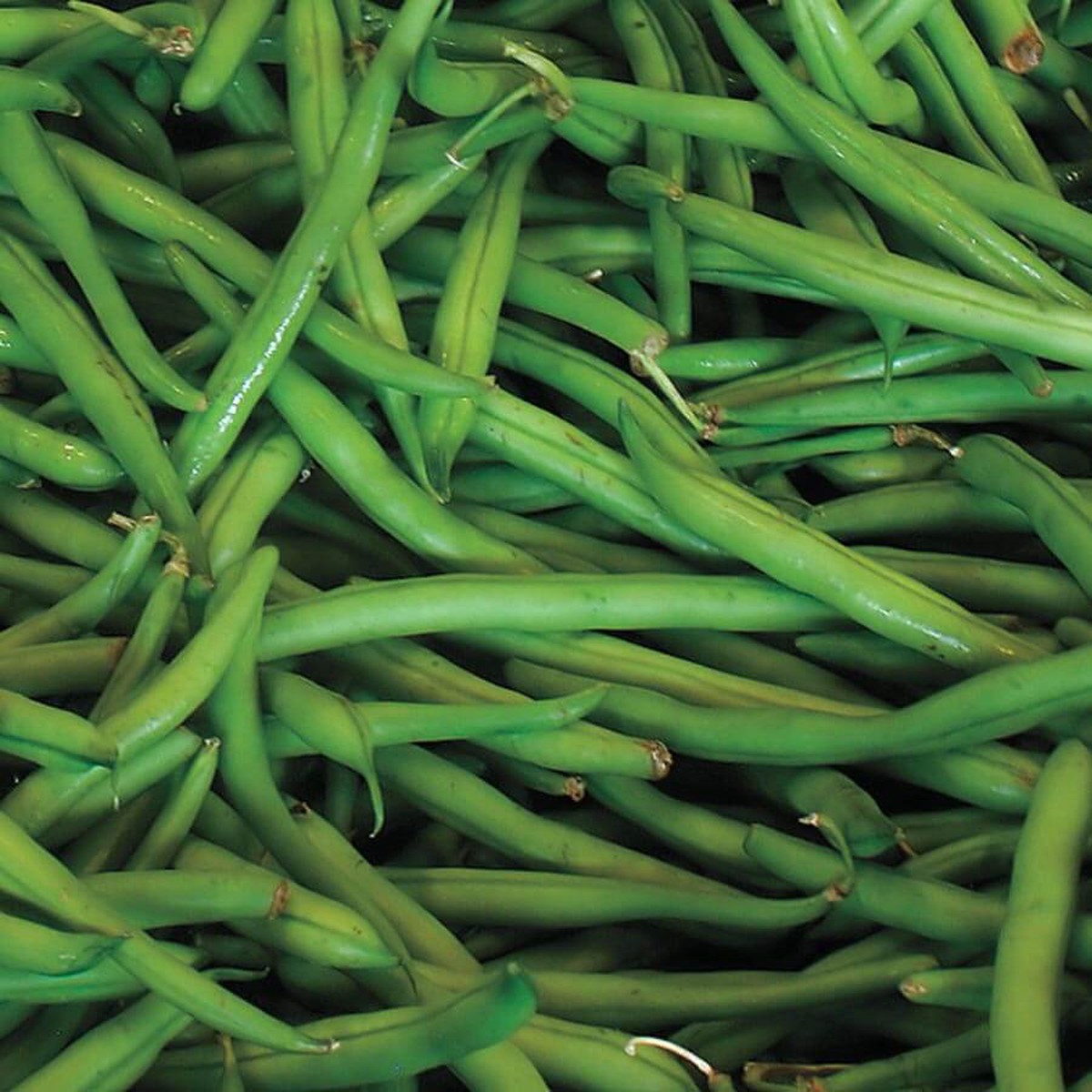
Blue Lake pole beans are straight, stringless and unusually smooth, with a stronger flavour than the bush variety. Plants bear lots of dark green15-18cm (6-7″)pods that are round to oval, tender, and meaty. Blue Lake has a very long harvest window and will keep producing new pods as long as the vines are kept picked. Provide a pole or trellis for this tall vine to grow up. This variety is hugely popular for its productivity in the Prairies and other short season growing regions.
-
- Pole bean
- Stronger flavour than the bush
- Pods are tender and meaty
- Matures in 70 days
How to Grow Pole Beans
STEP 1
Timing
Direct sow from late spring to early summer. Try to plant during a warm, dry spell. Soil must be warm if it is not warm enough, seeds may rot, especially our untreated seeds. Optimal soil temperature: 21-32C (70-90F).
STEP 2
Starting
Seeds can be started indoors, or sowed directly. Set seeds 7-10cm (3-4) apart and 3.5cm (1) deep at the base of a support. Plants will climb by twining around almost anything. Try rough poles, lumber, re-bar, or build a strong trellis 2-2.5m (6-8) tall. Seeds will sprout in 8-16 days, depending on soil conditions.
STEP 3
Growing
Ideal pH: 6.0-6.5
Well drained, warm soil in full sun is best. Use 1 cup of balanced organic fertilizer for every 3m (10) of row. Too much nitrogen in fertilizer or manure is often the cause of poor pod set and delayed maturity. If beans flower but do not set pods, the cause can be zinc deficiency. Try spraying the plants with kelp based fertilizer.
STEP 4
Germination
Days to maturity: From direct sowing.
In optimal conditions at least 75% of seeds should germinate. Usual seed life: 3 years. Per 100 row: 400 seeds. Per acre: 43.5M seeds.
STEP 5
Harvest
Because pole beans are always climbing, there are always beans at different stages of maturity. It is important to keep picking regularly so the plant does not fully mature seeds and stop producing new pods. If pods get fat with seed, the plant will stop flowering. The smaller the bean, the more tender they are.
TIPS
DISEASES & PESTS
If beans flower but do not set pods, the cause can be a zinc deficiency. Try spraying the plants with Kelpman.
COMPANION PLANTING
Beans fix nitrogen in the soil. Plant with Brassicas, carrots, celery, chard, corn, cucumber, eggplant, peas, potatoes, radish, and strawberries. Avoid planting near chives, garlic, leeks, and onions. Pole beans and beets stunt each others growth.

 -20%