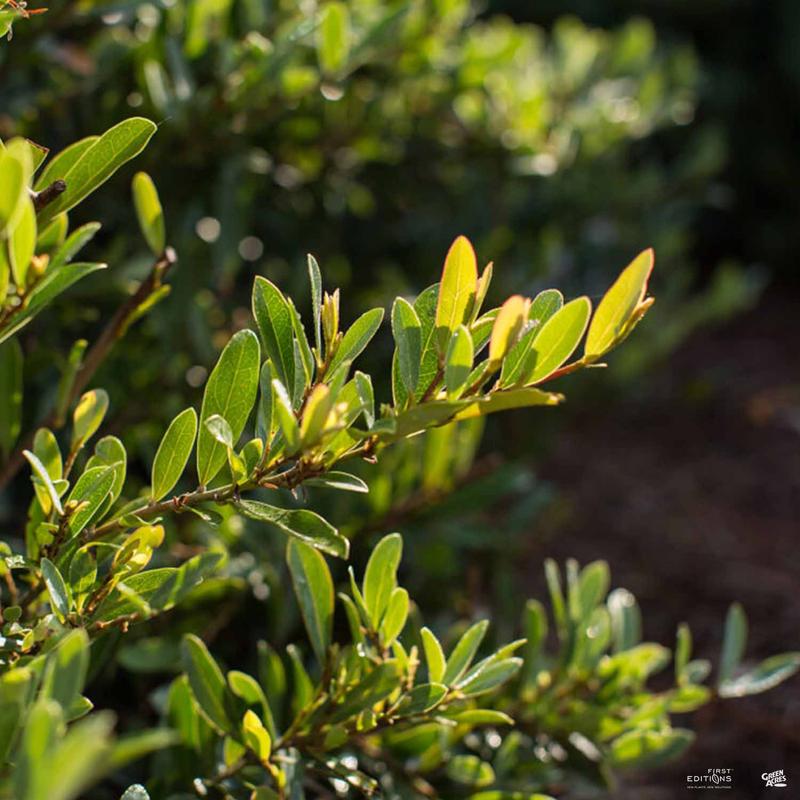
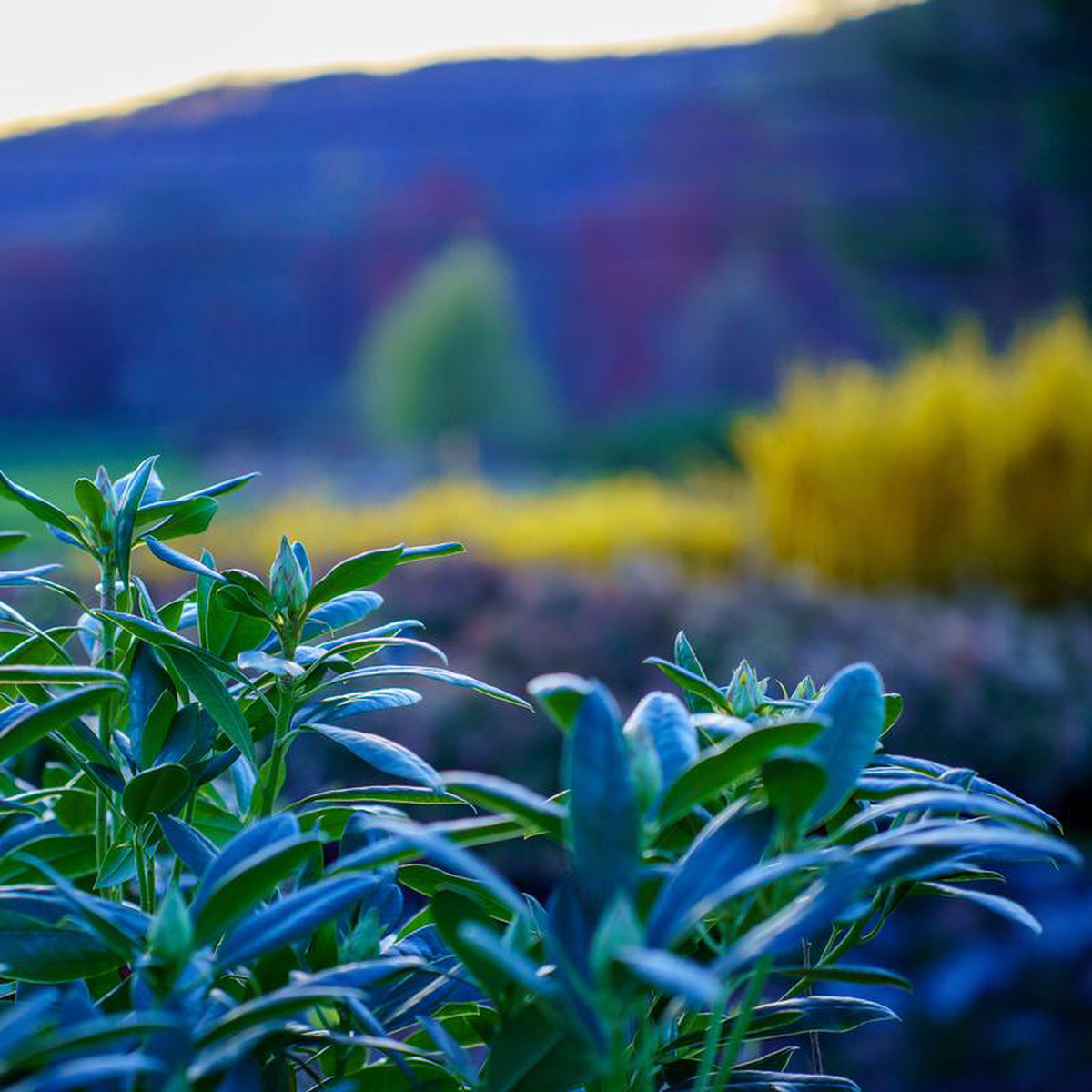
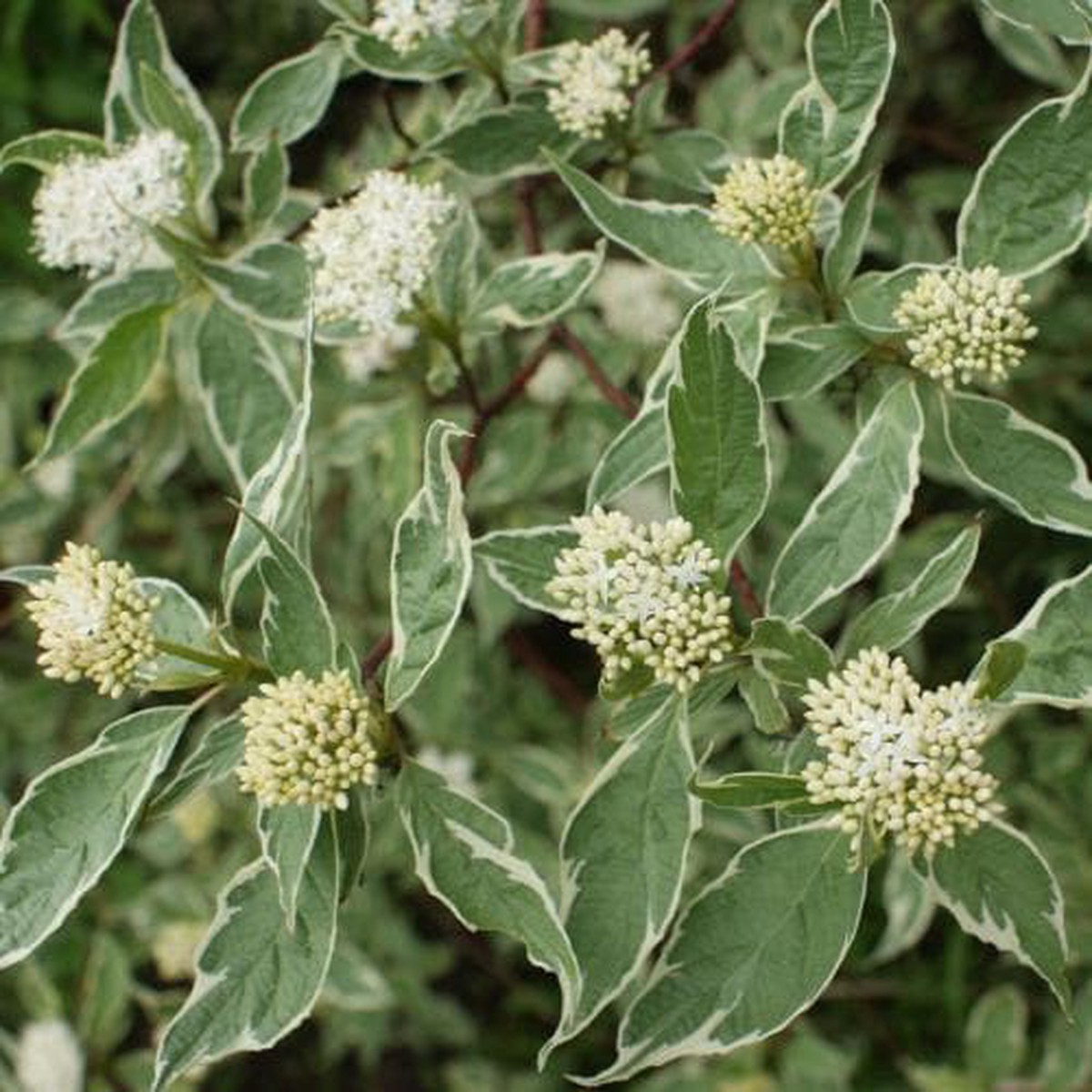
Buttonbush (Cephalanthus occidentalis) is a deciduous native shrub valued for its distinctive spherical flowers, adaptability to wet soils, and strong ecological benefits. Native to much of North America, this shrub thrives in rain gardens, along ponds and streams, or anywhere soil tends to remain moistwhile also tolerating occasional dry spells once established. Its unusual blooms and wildlife appeal make it a key plant in naturalistic and pollinator-friendly landscapes.
Distinctive Features
Buttonbush produces round, white flower clusters in midsummer that resemble pincushions, each made up of tiny tubular blossoms with protruding styles. These fragrant, nectar-rich blooms attract bees, butterflies, and hummingbirds in abundance. The shrub typically grows 6 to 12 feet tall and wide, forming a loose, rounded habit. Glossy green leaves turn golden yellow in fall, while the spherical seed heads persist into winter, adding structural interest and providing food for birds.
Growing Conditions
Sun Exposure: Full sun to partial shade
Soil: Prefers moist to wet soils; tolerates occasional flooding and adapts to average garden soils
Water: High to moderate; thrives in consistently moist conditions
USDA Hardiness Zones: 59
Ideal Uses
Focal Point: Unique flower structure and pollinator activity make it a standout in wetland gardens
Rain Gardens: Perfect for areas with poor drainage or periodic saturation
Wildlife Gardens: Provides nectar, shelter, and seeds for a variety of beneficial species
Waterside Plantings: Thrives along ponds, streams, or drainage swales
Naturalized Landscapes: Excellent addition to native and restoration plantings
Low Maintenance Care
Watering: Keep evenly moist, especially in the first year; established plants tolerate short dry periods
Pruning: Prune in late winter or early spring to control size or encourage bushiness
Fertilizing: Typically unnecessary; amend soil if planting in very poor conditions
Mulching: Helps retain moisture and regulate soil temperature
Protection: Generally free of pests and diseases; highly adaptable once established
Why Choose Buttonbush?
Ecological Value: Supports bees, butterflies, birds, and other wildlife
Moisture Loving: Thrives in wet sites where other shrubs struggle
Seasonal Interest: Offers blooms, fall color, and winter seed heads
Focal Point: Architectural shape and pollinator draw make it a highlight in waterwise or habitat gardens
Cephalanthus occidentalis delivers native beauty, unmatched wildlife support, and structural appeal, making it an excellent focal point in rain gardens, naturalized landscapes, or any setting where water meets habitat.
Only logged in customers who have purchased this product may leave a review.

 -20%