White Sweet Rocket Seeds
Tall, luminous white spikes that release a heady fragrance of violets and cloves after dark. This ‘Moon Garden’ hero fills the tricky gap between spring bulbs and high summer blooms.
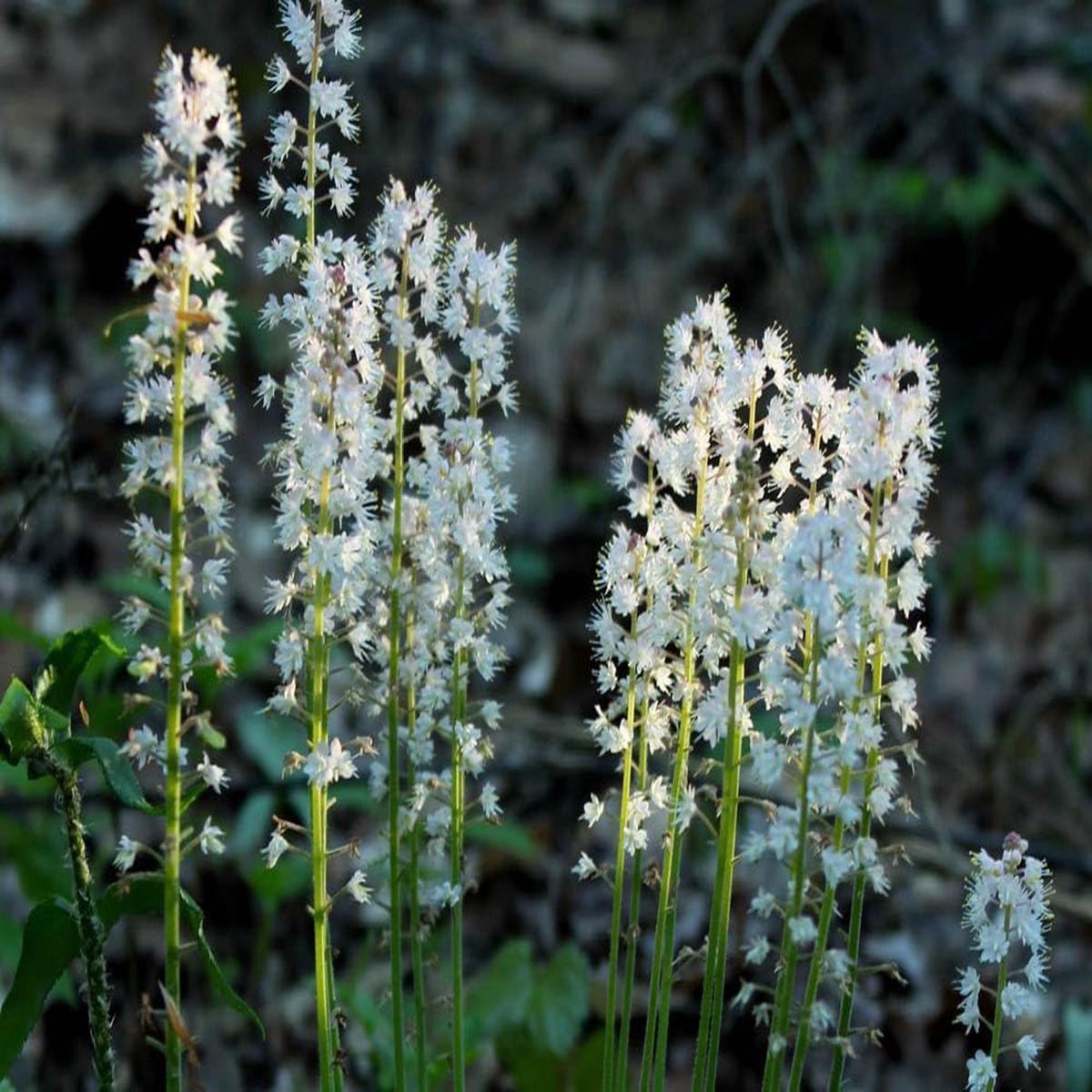
If you want a plant that works the “night shift,” this is it. Hesperis matronalis (Sweet Rocket or Dame’s Violet) is a traditional cottage garden favourite that produces tall, branching spikes of pure white, four-petaled flowers.
During the day, it is a beautiful, airy filler that brightens up shady corners. But as dusk falls, it releases a powerful, heady fragrance reminiscent of violets and cloves. The white flowers seem to glow in the twilight, attracting moths and guiding you down the garden path. It is the perfect bridge plant, filling the “hungry gap” between the last tulips and the first peonies.
Read More
Understanding the Plant
Hesperis matronalis var. albiflora, or White Sweet Rocket, is a robust Hardy Perennial (H7) often grown as a biennial. It is exceptionally reliable in the UK, surviving temperatures down to -20C and returns with vigour every spring to bridge the gap between early bulbs and high summer blooms.
The “Moon Garden” Hero: The pure white flowers of Hesperis are highly reflective, causing them to “glow” as the light fades. This makes them a cornerstone of night-gardening, where their visual brilliance is matched by an intensification of their sweet, clove-like perfume after sunset.
Pollinator Magnet: Listed on the RHS Plants for Pollinators list, Sweet Rocket is a vital source of nectar. In spring, it is a crucial food plant for the Orange Tip butterfly, while its evening fragrance is specifically evolved to attract various moth species.
Growing Guide
Sweet Rocket is a robust, unfussy plant that is exceptionally easy to establish from seed, making it ideal for beginners or wilder garden areas.
How to Sow:
Sow directly outdoors into a prepared seedbed from May to July. Scatter the seeds thinly and cover lightly with about 5mm of soil. Keep the area moist until established. Germination usually occurs within 14-21 days. Alternatively, you can sow in trays indoors during spring for planting out in the autumn.
Where to Plant:
They thrive in partial shade or full sun. As a natural woodland edge plant, Hesperis is one of the few scented flowers that performs spectacularly under the dappled light of deciduous trees or near a fence. It prefers cool, moist, well-drained soil and will grow happily in most UK soil types.
Ongoing Care:
Move young plants to their final flowering positions in October so they can settle before winter; they require a cold period to trigger flowering. Deadhead the main central spike after the first flush to encourage side shoots to bloom, but leave a few heads at the end of the season to allow the plant to self-seed naturally.
Plant Specifications
| Botanical Name |
Hesperis matronalis var. albiflora |
| Common Name |
Sweet Rocket / Dame’s Violet |
| Plant Type |
Hardy Perennial (Short-lived) |
| Hardiness |
H7 (Ultra Hardy) |
| Light Requirements |
Part Shade / Full Sun |
| Height |
80cm – 100cm |
| Spread |
45cm |
| Spacing |
Plant 40cm apart |
| Flowering Period |
May to July (Year 2) |
| Perfect For |
Scented Moon Gardens
Butterfly & Moth Support
Dappled Woodland Edges
Intoxicating Evening Fragrance |
| Seeds per Packet |
Approximately 500 seeds |
Beautiful Garden Combinations
Sweet Rocket’s airy, frothy habit makes it a perfect partner for more structural early summer favourites from our collection:
- Foxglove ‘Excelsior Mix’: The Woodland Look. Plant white Sweet Rocket alongside the tall, speckled spikes of Foxgloves. Both plants thrive in dappled shade and provide excellent vertical structure, creating a classic, naturalistic cottage garden aesthetic that peaks in June.
- Honesty (Lunaria annua): The Spring Bridge. Honesty and Sweet Rocket are the perfect biennial partners. They both bloom in late spring, with the rich purples of Honesty acting as a vibrant foil for the glowing white of the Rocket. Once the flowers fade, the Rocket remains green and lush while the Honesty develops its famous silver pods.
Sowing & Flowering Calendar
Sow in summer for lush leafy rosettes in Year 1, followed by a towering, scented display in Year 2.
| Month |
J |
F |
M |
A |
M |
J |
J |
J |
A |
S |
O |
N |
D |
| Sow Outdoors |
|
|
|
|
|
|
|
|
|
|
|
|
|
| Flowers (Yr 2) |
|
|
|
|
|
|
|
|
|
|
|
|
|
| Planting Out |
|
|
|
|
|
|
|
|
|
|
|
|
|
Edible Beauty
Sweet Rocket is a double-purpose plant! Both the flowers and the young leaves are 100% edible. The leaves have a slightly bitter, mustard-like kick that adds depth to spring salads, while the white blooms make a sophisticated garnish for cakes.
RHS Plants for Pollinators
Hesperis matronalis is a powerhouse for British biodiversity. It is a crucial spring food plant for the caterpillars of the Orange Tip butterfly and provides high-value nectar for bees during the day and moths after dark.
Want more detailed growing advice?
View our Complete Growing Guide for Biennials

 -20%