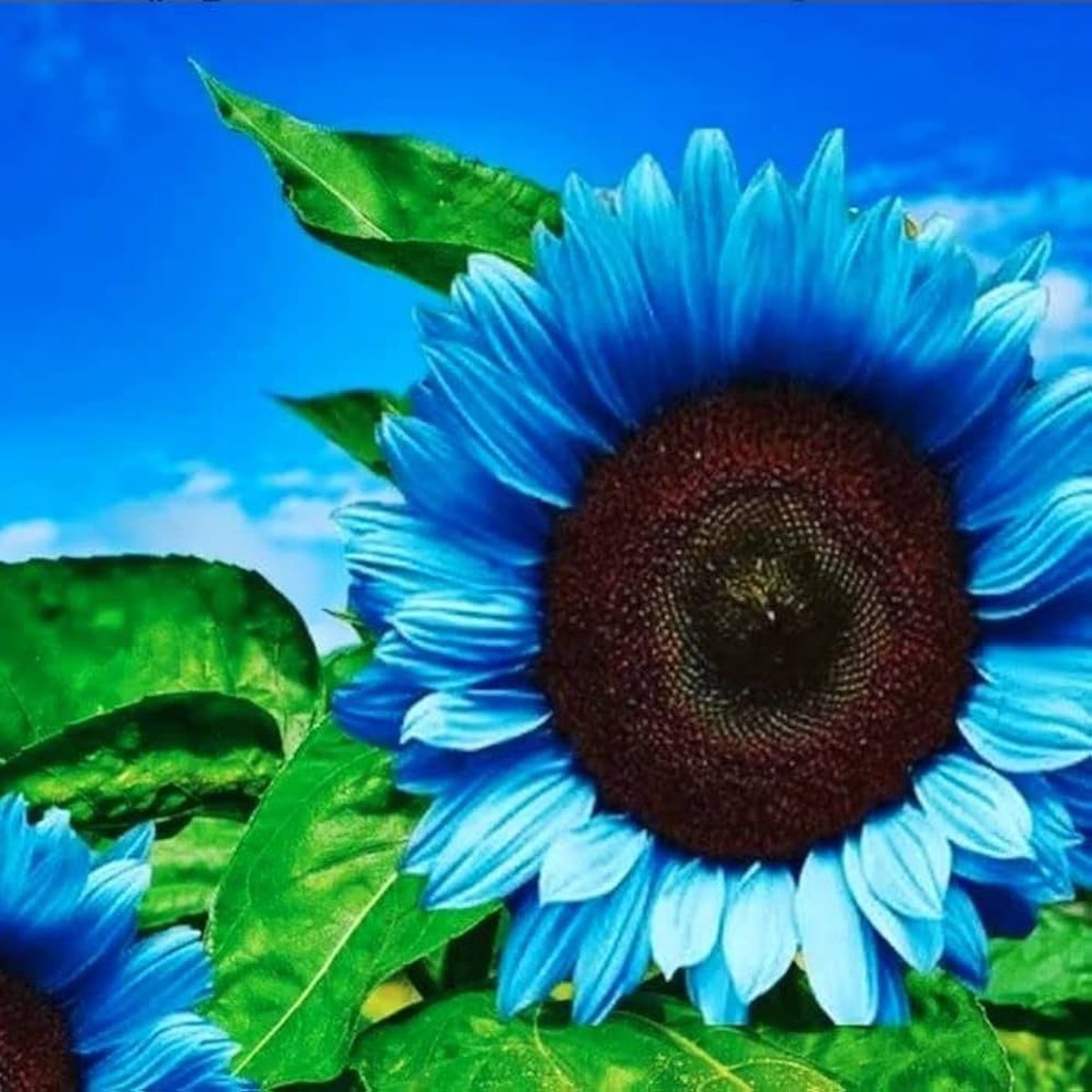
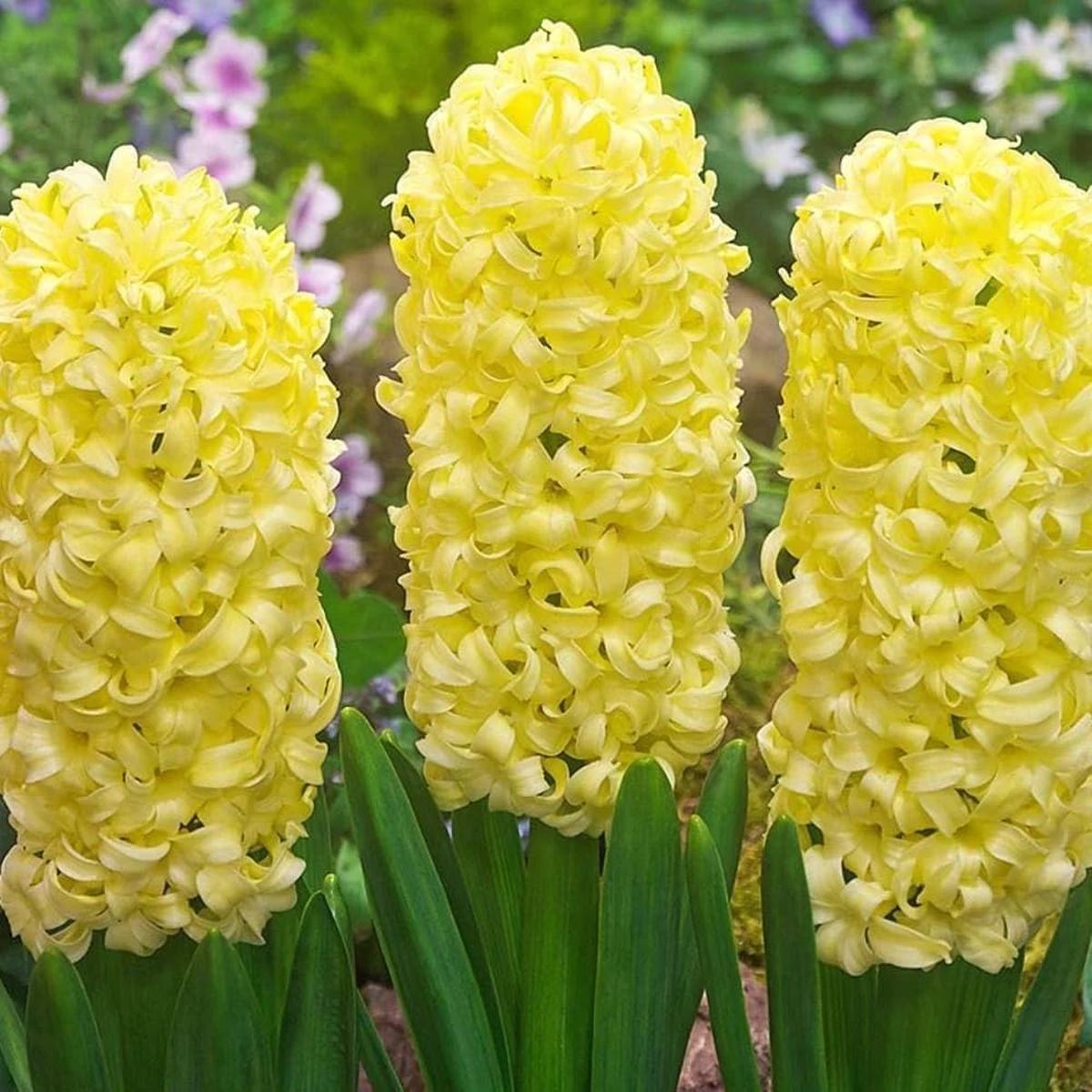
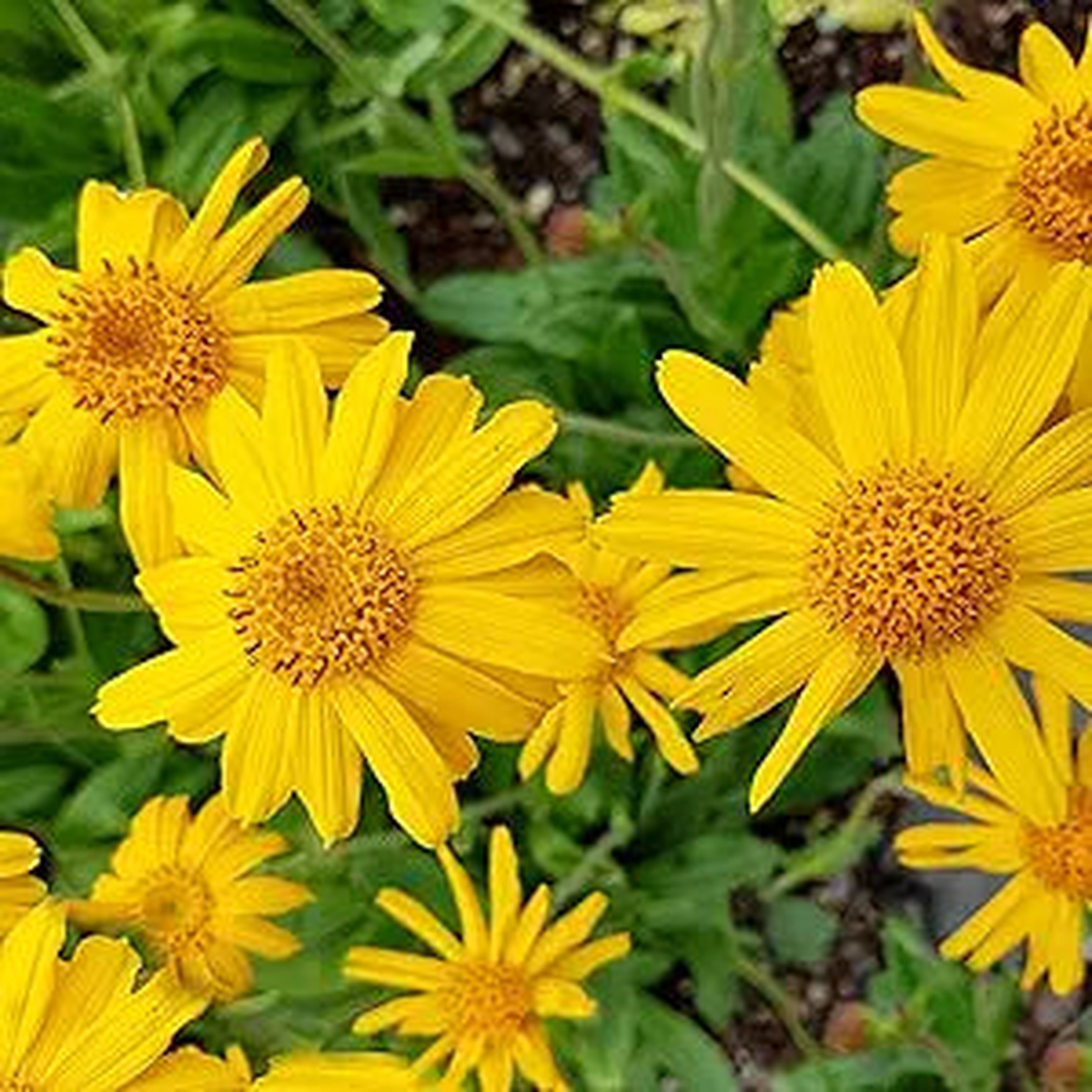
Sunflower plants are known for their tall stature and vibrant yellow blooms, making them a favorite among gardeners. These non-GMO seeds produce stunning flowers that not only beautify gardens but also attract pollinators. Sunflowers are versatile, serving as ornamental plants, and their seeds can be harvested for snacks or oil production.
Growing Conditions for Sunflower Plants
Light Requirements: Full sun (at least 6-8 hours of direct sunlight daily)
Soil Type: Well-drained, loamy soil with a pH of 6.0 to 7.5
Temperature: Thrives in warm temperatures (70F to 85F)
Planting Tips for Sunflower
Planting Depth: Sow seeds 1-2 inches deep
Spacing: Space seeds 6-12 inches apart for optimal growth
Timing: Plant after the last frost date for best results
Watering Instructions and Tips
Watering Frequency: Water deeply once a week, more often in dry spells
Soil Moisture: Keep soil consistently moist but not waterlogged
Growing Zones
Sunflowers thrive in USDA zones 2-11 and are adaptable to various global climates.
Key Benefits & Uses
Attracts beneficial insects and pollinators
Produces edible seeds rich in nutrients
Enhances garden aesthetics with bright blooms
Best Uses in the Garden & Landscape
Border plants for vibrant color
Wildlife gardens to attract birds and bees
Cut flowers for arrangements and bouquets
Conclusion
Choose Dhara Seeds for your sunflower planting needs, a big, trusted name in the seed world, offering a wide range of high-quality, non-GMO varieties to gardeners everywhere.
FAQ
How do I grow sunflowers?
Plant sunflower seeds in well-drained soil with full sun exposure. Water regularly and provide support for taller varieties.
When is the best time to plant sunflowers?
Sunflowers should be planted after the last frost date in your area, typically in late spring.
Are sunflowers easy to grow?
Yes, sunflowers are generally easy to grow and are suitable for gardeners of all skill levels.
Only logged in customers who have purchased this product may leave a review.

 -20%