Thunbergia lutea seeds grow into a climbing tuberous geophyte native to the wet tropical biome from eastern Nepal east through Myanmar, Thailand and into Yunnan (China). Described by T.Anderson (Thomas Anderson, 18321870, Scottish botanist and Superintendent of the Calcutta Botanic Garden). The epithet lutea means ‘yellow’ (from Latin), referring to the distinctive bright yellow flowers. Uniquely among the products in this collection, POWO classifies this as a climbing tuberous geophyte growing from a fleshy underground tuber rather than being a woody liana. Produces bright yellow tubular flowers; Himalayan and Indochinese distribution at moderate elevations. Synonym: Hexacentris lutea Lindl.; Thunbergia maculata Lace. Family Acanthaceae.
Full sun to partial shade; well-drained soils; cool wet tropical highland conditions (Himalayan foothills and Indochina). Climbing tuberous geophyte dies back seasonally from underground tuber. Protect tuber from hard frost.
E. Nepal to China (Yunnan) and Thailand wet tropical biome; climbing tuberous geophyte
Genus Thunbergia: ~150 species; Tropical Africa, Asia, Australia; clockvines; Family Acanthaceae; Order Lamiales
Full sun/partial shade; cool wet tropical highlands; tuberous geophyte seasonal die-back; Family Acanthaceae
Thunbergia lutea the yellow clock vine is a botanical curiosity: the only tuberous geophyte in this Thunbergia collection, regrowing each year from an underground tuber in the cool wet tropical highlands from Nepal to Yunnan, its brilliant yellow flowers standing out among the forest margins of the eastern Himalayan foothills where Thomas Anderson collected and described it in the 1860s.
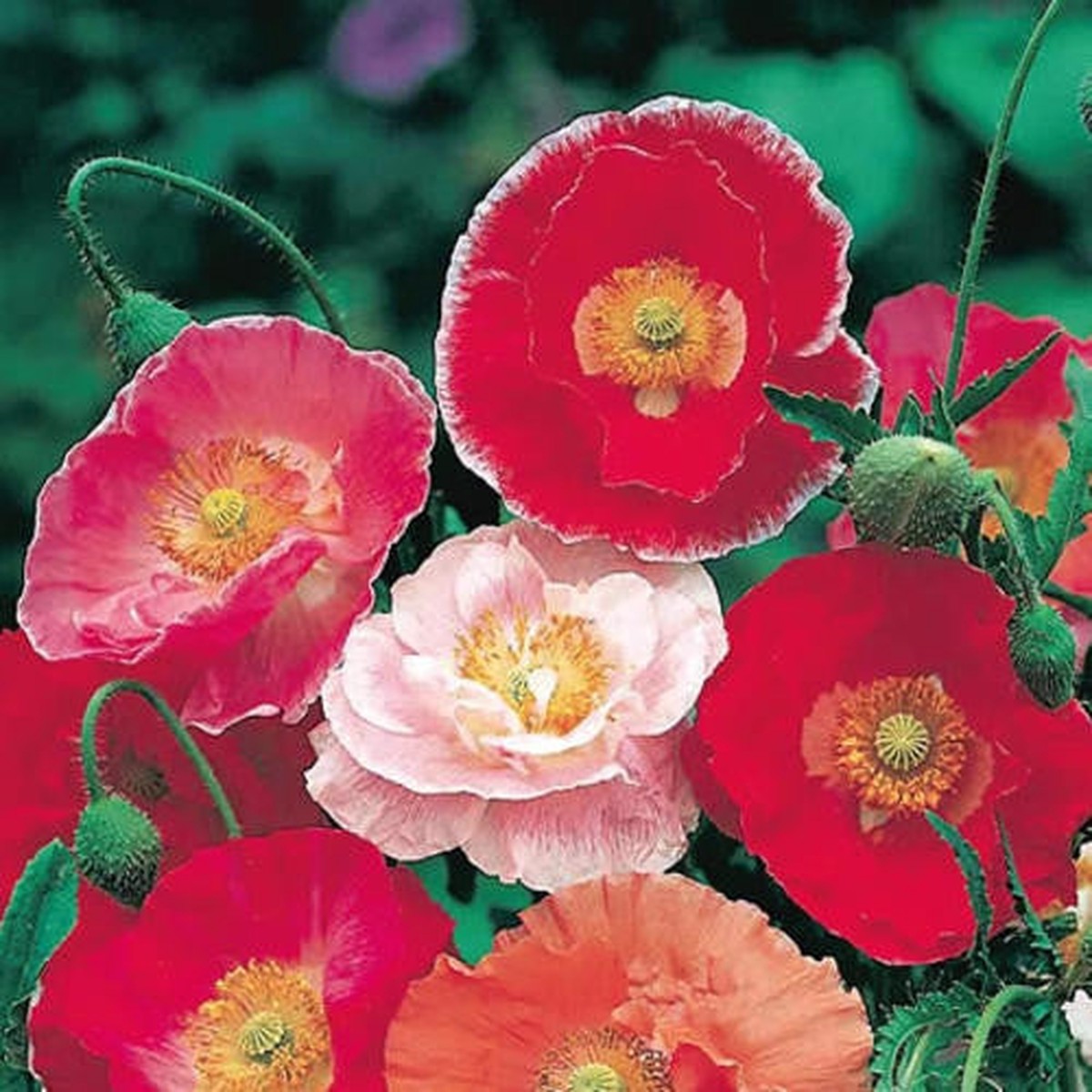
IMPORTANT: Pictures show the adult plant, which is not for sale. The offer is only for seeds.
Only logged in customers who have purchased this product may leave a review.

 -27%